
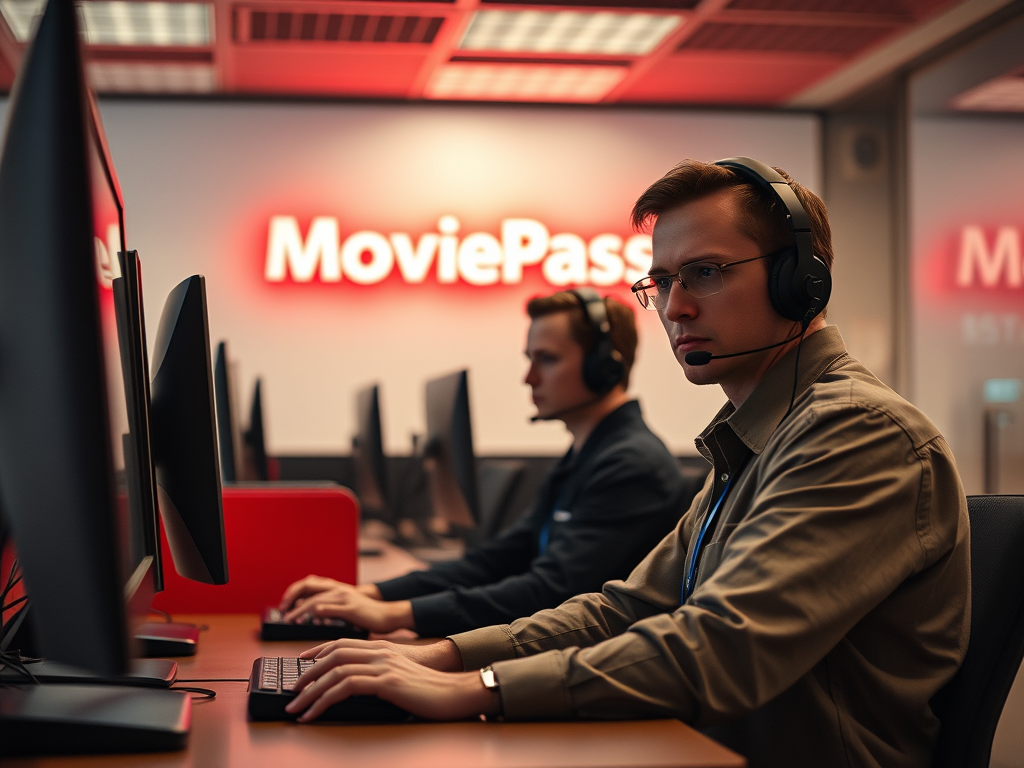
Key Aspects of Internal Customer Service Failures
1. Inadequate Support Infrastructure
MoviePass experienced rapid growth, but its internal support infrastructure did not scale accordingly. The company was overwhelmed by the surge in subscribers, leading to significant delays in responding to internal and external customer service requests1. This lack of preparedness meant that employees were often left without the necessary support to handle the influx of customer issues, creating a chaotic work environment.
2. Poor Communication Channels
Effective internal customer service relies on clear and efficient communication channels. MoviePass struggled with this, as evidenced by the numerous complaints from employees about the lack of timely and effective communication from management2. This breakdown in communication led to confusion and frustration among staff, further exacerbating the company’s operational challenges.
3. Lack of Training and Resources
Employees at MoviePass were not adequately trained to handle the volume and complexity of customer service issues that arose. The company did not invest sufficiently in training programs or provide the necessary resources for employees to perform their roles effectively1. This lack of investment in internal customer service capabilities meant that employees were ill-equipped to manage the growing demands, leading to poor service delivery and increased customer dissatisfaction.
4. High Employee Turnover
The stressful work environment, coupled with inadequate support and resources, led to high employee turnover at MoviePass. High turnover rates can severely impact internal customer service, as new employees require time to get up to speed, and the constant churn disrupts team cohesion and efficiency2. This instability further hindered the company’s ability to provide consistent and reliable service to its customers.
Impact on MoviePass’s Downfall
The internal customer service failures at MoviePass had a cascading effect on the company’s overall performance:
- Customer Dissatisfaction: Poor internal support meant that customer service representatives were often unable to resolve issues promptly, leading to widespread customer dissatisfaction. This negative customer experience was widely shared on social media and review platforms, damaging the company’s reputation1.
- Operational Inefficiencies: The lack of effective internal customer service led to operational inefficiencies, as employees struggled to manage their workloads without adequate support. This inefficiency contributed to service disruptions and further eroded customer trust2.
- Financial Strain: The combination of high employee turnover, inadequate training, and poor communication increased operational costs. These financial strains, coupled with an unsustainable business model, accelerated MoviePass’s financial decline3.
Conclusion
MoviePass’s failure to invest in robust internal customer service infrastructure and practices significantly contributed to its downfall. The company’s inability to support its employees effectively led to operational inefficiencies, high turnover, and widespread customer dissatisfaction. This case highlights the critical importance of internal customer service in maintaining organizational stability and ensuring long-term success.
 Quality Quest
Leave a comment